
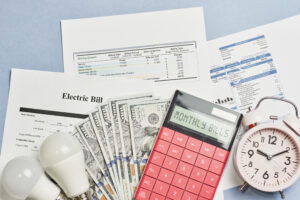
Your electric bill is getting bigger. You probably noticed it already. If you live in Pennsylvania, you’re not alone – most people across the state are seeing their bills jump up fast.
What’s Happening to Your Electric Bill
By 2025, many homes are paying way more for the same amount of power they used before. At City Power and Gas – Electric and Gas Company in Pennsylvania, we think people deserve to know what’s going on and what they can do about it.
How Much More Are You Paying?
Right now, electric rates across the US sit around $0.13 for each kilowatt-hour you use. But here in Pennsylvania? Some places are seeing jumps of 30% or more. The state utility board approved these price hikes back in December 2024.
Let’s say your monthly bill used to be $150. Now it might be close to $200 or higher for the exact same power usage. That’s an extra $600 coming out of your pocket every year – money that could go toward food, savings, or other things your family needs.
We’ve been watching these changes closely. These price jumps hit families hard, especially people already dealing with higher costs everywhere else.
How We Got to This Point
Looking back helps explain what’s happening now. From 1980 to 2020, electric rates in Pennsylvania went up slowly – about 2-3% each year. That matched how other prices were going up too. But the last few years? The increases have been way bigger than normal.
The problem comes from issues that kept getting pushed aside. Most of Pennsylvania’s power grid was built right after World War II ended. That old system can’t handle what we need today or deal with bad weather like it used to.
Think about how much more power we use now compared to the 1950s. Every home has air conditioning. We charge phones, tablets, laptops. People work from home more. Electric cars need charging. The old grid just wasn’t built for all that.
The switch to clean energy like solar and wind has been slower than it should be. While these power sources cost less now and work better, getting them connected to our grid takes too long. Plus, old coal and gas plants are still running when they should have been replaced. All of this creates a mismatch between how much power we need and how much we can make.
Why Rates Keep Going Up
 More People Need More Power
The main reason is simple: we’re using way more electricity than before. The economy is growing, and that means more businesses and people need power. Some industries use huge amounts of electricity, like data centers and places that mine cryptocurrency.
Data centers are the buildings that run Netflix, store your photos in the cloud, and keep websites working. They eat up massive amounts of power. As we do more stuff online, these centers need even more electricity. Pennsylvania’s utility board says power usage hit record levels, made worse by heat waves that pushed demand higher than it’s been in 14 years.
Electric cars add to this too. As more people in Pennsylvania buy EVs, the power grid has to work harder, especially when everyone charges their cars at the same time.
Old Equipment That Needs Fixing
Much of Pennsylvania’s power equipment is old and breaking down. The grid built after World War II wasn’t made to handle today’s power needs or the crazy weather we get now like hurricanes and heat waves.
Power companies across the state are spending billions to upgrade and replace old systems. These improvements have to happen, but the cost gets passed on to you through higher rates.
The regional power grid called PJM has also been slow to connect new power sources, especially clean energy like solar and battery storage. When new power plants can’t get connected to the grid fast enough, it limits how much electricity is available. With more people wanting power and less available, prices go up.
Rules and Red Tape
The way Pennsylvania’s power companies are managed makes things more complicated. The state’s rules were written in the 1900s and don’t work well for balancing cheap rates with the need to spend money on better equipment and clean energy.
Power companies have to upgrade their systems, but they also face pressure to keep bills low. The problem is that upgrade costs usually end up on residential bills. Regular people can’t negotiate lower rates or manage their power use as easily as big businesses can.
How Pennsylvania Stacks Up Against Other States
Pennsylvania is different from nearby states in several ways. We’re one of the biggest electricity-making states in the country. Pennsylvania makes about 7.5 trillion cubic feet of natural gas every year – only Texas makes more. This has helped lower emissions, and our power industry cut carbon pollution by 10.8% from 2022 to 2023. That’s the biggest drop since the 1990s.
Even with these good points, Pennsylvania faces problems that other states don’t have as much. Industries that use tons of electricity, like data centers and crypto mining, came here because power used to be cheap. Now they’re putting extra stress on our power system.
States that joined something called the Regional Greenhouse Gas Initiative (like New York and New Jersey) have seen different patterns with emissions and power production. Pennsylvania managed to cut emissions while making more power, but those other states haven’t done as well.
Politics make energy policy harder too. Pennsylvania both makes a lot of energy and uses a lot of energy, which makes planning tricky. Philadelphia is the state’s biggest city and uses the most power, so it needs a stronger voice in energy decisions to help consumers while supporting needed improvements.
What This Means for People Living Here
Rising electric rates in Pennsylvania are hurting residents, businesses, and communities in real ways. Let’s look at some examples:
In Philadelphia, home customers saw a 10% jump in electric bills in 2025 – that’s an extra $13.58 every month, with more increases coming in 2026. Across Pennsylvania, some areas reported rate jumps over 30% after the state utility board approved the changes.
These increases hurt low-income families the most. In neighborhoods like North and West Philadelphia, families already spend over 6% of their income on electricity – twice the national average of 3%.
Think about a typical household in Philadelphia making about $52,000 a year. A $200 monthly increase in electric costs would take almost 5% of their income before taxes. For families making less money, this hits even harder, leaving them with less to spend on other things and making it harder to get ahead financially.
The growing demand for electricity from data centers and crypto operations puts even more strain on the state’s power system, which means higher costs get passed to home customers. Unlike big commercial and industrial users who can often negotiate better deals and use energy management tricks, regular people are stuck with whatever price increases come their way.
What’s Coming Next
Electric rates in Pennsylvania will probably keep going up over the next few years because of infrastructure, demand, and market issues.
PJM has predicted big growth in electricity demand, especially from data centers. These facilities are expected to use a much bigger share of total electricity, jumping from 4.4% in 2023 to somewhere between 6.7% and 12% by 2028. This surge in demand could drive up capacity costs, which already rose 833% for the 2025-2026 period.
Changes in how electricity gets priced will also push rates higher. The U.S. Energy Information Administration thinks average electricity rates will go up about 2% from 2024 to 2025 as utilities invest in new infrastructure. But states that are putting a lot of money into renewable energy, like Texas, Arizona, and Nevada, might see more stable or even lower rates because these energy sources are getting cheaper.
In Pennsylvania, what regulators do and market conditions will be key factors. The state utility board has stressed the importance of balancing new power plants and transmission projects with the rate that old power plants get shut down to keep electricity reliable and affordable. But the projected capacity rate increases could make consumer energy bills go up 1-5% depending on where you live and how much power you use.
While there might be efforts to keep price increases smaller, consumers can still expect to see bill increases in the 10-20% range because of complicated market dynamics and regulatory changes.
People Are Speaking Up
 As electric rates in Pennsylvania keep climbing, public officials and citizens have voiced serious concerns about how these increases affect families and seniors, especially those on fixed incomes.
Elected officials stress how important it is to listen to people’s worries about rising utility costs during a time when everything else is getting more expensive too. Many families face tough choices between paying utility bills and buying basic needs like food, showing there’s an urgent need for help for residents.
Various advocacy efforts are happening in response to these growing concerns. The Pennsylvania Public Utility Commission plays a big role in balancing what consumers need with what utilities require. The commission makes sure utility services are safe and reliable at reasonable rates, protecting the public while promoting consumer education about utility choices.
Recent hearings have focused on possible regulatory changes, including talks about new electric rates for big customers like data centers, which could significantly affect the overall cost structure for all consumers.
Community events like the “Be Utility Wise” Human Services Development Conference aim to empower consumers through education and advocacy. These events feature panels of utility leaders and discussions about how utilities and community organizations work together to support consumers who need help. They also highlight the importance of addressing energy consumption and climate justice issues, building a more informed public.
Advocates encourage consumers to actively participate in the commission’s proceedings by filing comments on proposed rate changes, making sure their voices get heard in the regulatory process. This grassroots engagement is crucial as the commission considers fair rate-sharing plans to reduce the impact of rising costs on consumers.
How City Power and Gas Can Help You
At City Power and Gas – Electric Company In Pennsylvania, we understand the challenges Pennsylvania residents face with rising electric rates. We’re committed to providing solutions that help you manage your energy costs better.
Better Rate Options
One of the main ways we help customers is by offering competitive rate options. Unlike traditional utilities that operate as regulated monopolies, City Power and Gas works in a competitive market, letting us offer various plans that can better fit your needs and budget.
Ways to Use Less Energy
We also provide energy efficiency solutions that can help cut your overall consumption. Simple changes like using LED bulbs, installing smart thermostats, and improving home insulation can make a big difference in your energy bills. Our team can help you find the most effective strategies for your specific situation.
Clean Energy Choices
For those interested in reducing their carbon footprint, City Power and Gas offers renewable energy options. These plans let you support clean energy development while potentially keeping your energy costs more stable over time.
Expert Help
Figuring out the energy market can be confusing, especially with all the changes happening in Pennsylvania. Our experts are available to help you understand your options and make informed decisions about your energy supply.
Things You Can Do Right Now
While you can’t control the broader market forces, there are several steps you can take to manage your electricity costs:
1. Compare Rates from Different Companies
Pennsylvania’s energy market lets you choose your electricity supplier. Take time to compare rates from different providers, including City Power and Gas, to find the best option for your needs.
2. Get a Home Energy Check
Many utility companies offer free home energy audits. These checks can find areas where your home is losing energy and give you recommendations for improvements that can save money.
3. Buy Energy-Efficient Appliances
When it’s time to replace appliances, choose energy-efficient models. Look for the ENERGY STAR label, which shows the appliance meets strict energy efficiency guidelines set by the U.S. Environmental Protection Agency.
4. Change Your Thermostat Settings
Heating and cooling use a lot of your home’s energy. By changing your thermostat by just a few degrees, you can save a good amount on your energy bills. Think about installing a programmable or smart thermostat to make these changes automatically.
5. Use Power During Cheaper Hours
Some electricity plans offer lower rates during off-peak hours. If you can, move energy-heavy activities like laundry and running the dishwasher to these times to take advantage of lower rates.
6. Stop Air from Leaking Out
Check for air leaks around windows, doors, and electrical outlets. Sealing these leaks with weatherstripping or caulk can stop warm or cool air from escaping, making your heating and cooling system work less.
7. Get Help Paying Bills
If you’re having trouble paying your energy bills, several assistance programs are available. The Low-Income Home Energy Assistance Program (LIHEAP) and utility-specific programs can provide financial relief to eligible households.
Moving Forward
The challenges facing Pennsylvania’s electricity market are big, but they can be solved. With the right approach, it’s possible to balance the need for infrastructure investment and clean energy transition with the need for affordable, reliable electricity.
At City Power and Gas – Natural Gas Company In Pennsylvania, we believe that informed consumers are empowered consumers. By understanding what’s driving rate increases and taking proactive steps to manage your energy use, you can better handle these challenging times.
We also believe advocacy matters. As citizens, we can encourage our elected officials to support policies that promote grid modernization, renewable energy development, and consumer protection. By participating in public hearings and regulatory processes, we can make sure consumer voices are heard in decisions that affect our energy future.
Common Questions About Rising Electric Rates
Why are electricity rates going up so much in Pennsylvania in 2025?
Electric rates in Pennsylvania are rising because of several factors: more demand from data centers and electric vehicles, old infrastructure that needs expensive upgrades, and regulatory challenges. The grid, much of which was built after World War II, struggles to meet modern demands and handle extreme weather. These necessary improvements, along with supply constraints in the regional power grid (PJM), have led to big rate increases approved by the Pennsylvania Public Utility Commission.
How much will my electricity bill go up with these new rates?
The impact varies by region and utility provider. Some areas of Pennsylvania are seeing rate hikes over 30%, while others like Philadelphia had a 10% increase in 2025 (about $13.58 more per month). For example, PECO and PPL Electric Utilities put in rate hikes ranging from 10% to 29%. The exact increase depends on where you live, your provider, and how much energy you use.
What’s causing electricity costs to rise in Pennsylvania?
Several key factors are pushing up costs: surging electricity demand from economic growth and energy-heavy sectors like data centers and cryptocurrency operations; aging electrical infrastructure that needs billions in upgrades; delays in connecting new renewable energy sources to the grid; and regulatory frameworks struggling to balance infrastructure investments with affordable rates. Extreme weather has also shown problems in the current system, requiring more investment.
Are there programs to help households struggling with higher electricity bills?
Yes, several assistance programs are available. The Low-Income Home Energy Assistance Program (LIHEAP) provides financial aid to eligible households. Many utilities, including City Power and Gas, offer budget billing plans to spread costs evenly throughout the year. Also, some community organizations and advocacy groups provide resources and support for energy efficiency improvements that can help reduce overall consumption and costs.
What can I do to cut my electricity costs with these rate hikes?
There are several strategies to manage rising electricity costs: shop around for competitive rates from providers like City Power and Gas; get a home energy audit to find efficiency improvements; invest in energy-efficient appliances and LED lighting; adjust your thermostat settings; use energy during off-peak hours if your plan offers lower rates; seal air leaks in your home; and explore renewable energy options that may provide more stable long-term pricing.
Final Thoughts
 Rising electricity rates in Pennsylvania result from complex factors including increased demand, aging infrastructure, and regulatory challenges. While these increases create big challenges for residents, there are steps you can take to manage their impact.
At City Power and Gas, we’re committed to helping Pennsylvania residents handle these changes. By offering competitive rates, energy efficiency solutions, and expert guidance, we aim to be your trusted partner in managing your energy needs.
Remember, you have options when it comes to your electricity provider. Take time to explore these options and make the choice that best serves your needs and budget. Together, we can work toward a more sustainable and affordable energy future for all Pennsylvanians.
Ready to take control of your energy costs? Contact City Power and Gas today to learn more about our competitive rates and energy solutions designed specifically for Pennsylvania residents.