
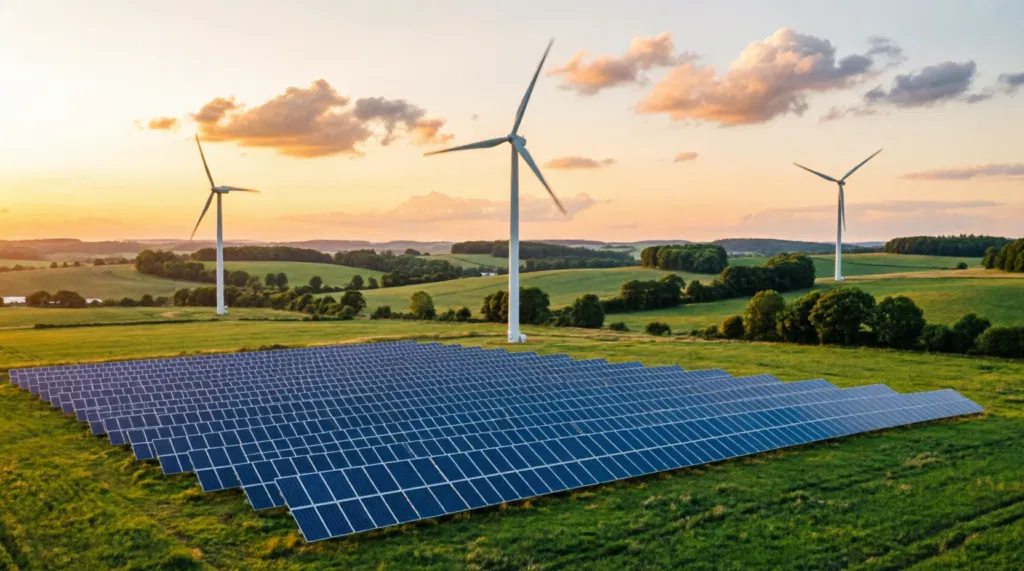
TL;DR: Renewable energy hit a tipping point in 2024, with solar and wind now cheaper than all fossil fuel options. In 2022, 74% of new electricity worldwide came from renewables. The global goal is to triple clean energy capacity by 2030, but storage tech and grid upgrades still need work. For homeowners, switching to a green energy plan from a provider like City Power and Gas is one of the easiest steps you can take right now.
The cost of solar power dropped 41% below the cheapest fossil fuels in 2024, and wind power is now 53% cheaper than coal or gas (IEA, 2024). That single stat should grab your attention. The energy market is shifting fast, and if you have been paying your electric bill without looking at where that power comes from, now is a good time to start.
At City Power and Gas – Electric and Gas Company, we have watched these changes from the front lines. We supply homes and businesses in New York and Pennsylvania with energy plans that include 100% renewable options. So we have a real stake in what happens next with solar, wind, and storage tech.
This guide breaks down the biggest renewable energy trends right now – what is working, what is still hard, and what it all means for your monthly bill and the planet.
Why Is Solar Energy Growing So Fast?
Solar power is now the most affordable source of electricity on the planet, with panel costs dropping by over 80% in the last decade (IRENA, 2024). The Earth gets hit with roughly 10,000 times more solar energy than the entire world uses, so the raw supply is not the problem. The tech has just finally caught up.
New sun-tracking panels can now hit efficiency rates above 30%, which means they pull more energy from the same amount of sunlight. For context, panels from just five years ago topped out around 20%. That gap is huge when you scale it across a rooftop or a solar farm.
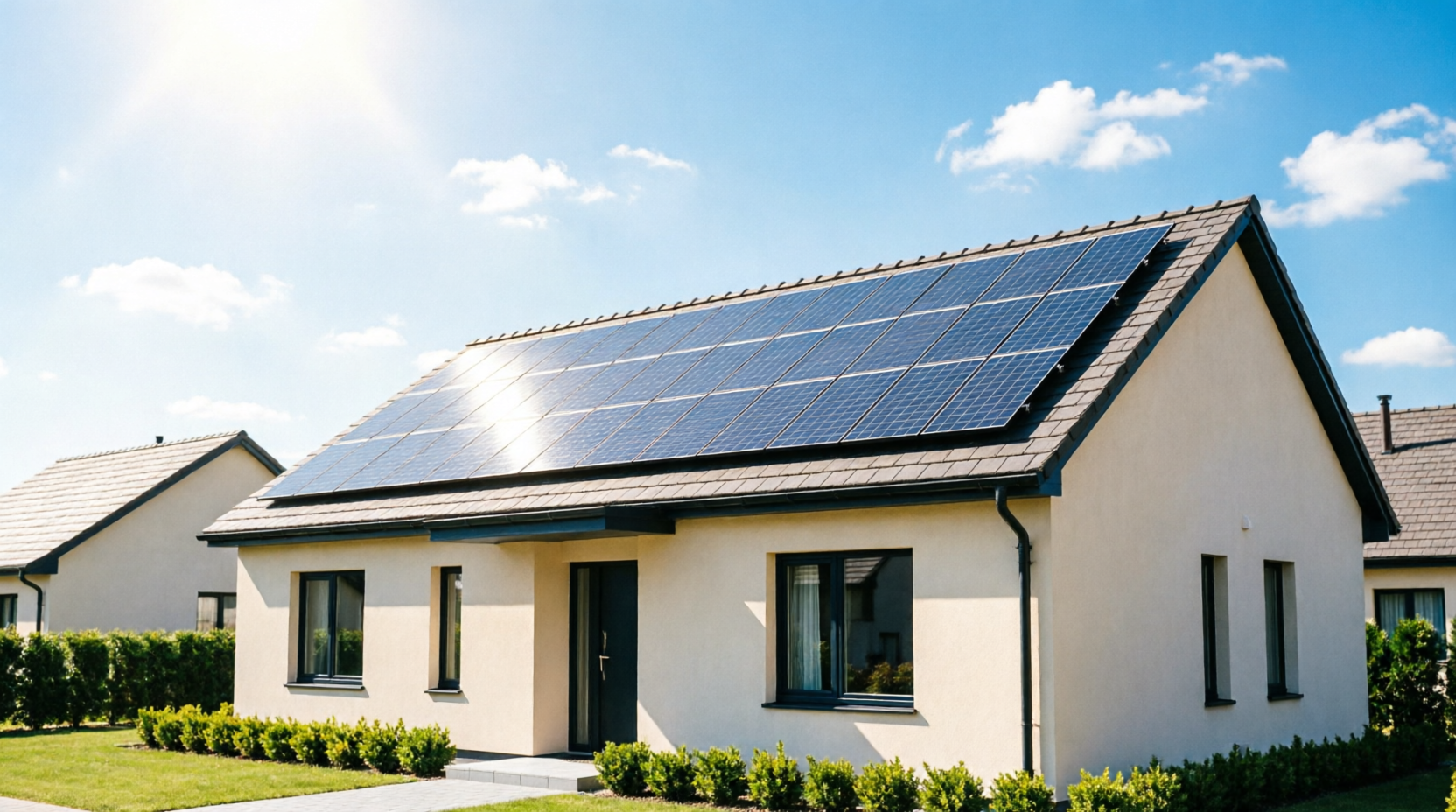 Here at City Power and Gas – Natural Gas Company, we offer green energy plans backed by Renewable Energy Certificates (RECs) from sources like solar, wind, and hydro. So when you pick one of our 100% renewable plans, your usage is matched with clean energy fed into the grid.
What surprised us most, though, is how quickly residential solar has gone mainstream. Five years ago, it felt like a niche choice. Today, it is a no-brainer for millions of homes. Part of that shift comes down to simple math – when clean energy is cheaper, people switch.
How Is Wind Power Changing the Energy Map?
Wind energy is not new. People have used windmills for centuries. But the turbines going up today look nothing like what you picture from old Dutch paintings. Modern wind turbines are massive – some offshore models stand taller than the Statue of Liberty – and they produce far more power per rotation than earlier designs.
Offshore wind is where a lot of the new growth is happening. Floating turbine foundations now make it possible to place wind farms in deeper waters, where winds blow stronger and more steady. The result is higher output with fewer gaps in production.
In 2022, wind and solar together accounted for the bulk of new electricity capacity added to grids around the world (IEA, 2023). That is not a small trend. That is a structural shift in how the world makes power.
The United States, Europe, and parts of Asia are all pushing hard on wind. In fact, countries with strong offshore wind programs are seeing energy prices stabilize because wind is not tied to volatile fuel markets. Your electricity price does not spike when a pipeline gets disrupted halfway around the world.
What Are Energy Storage Breakthroughs Doing for Grid Stability?
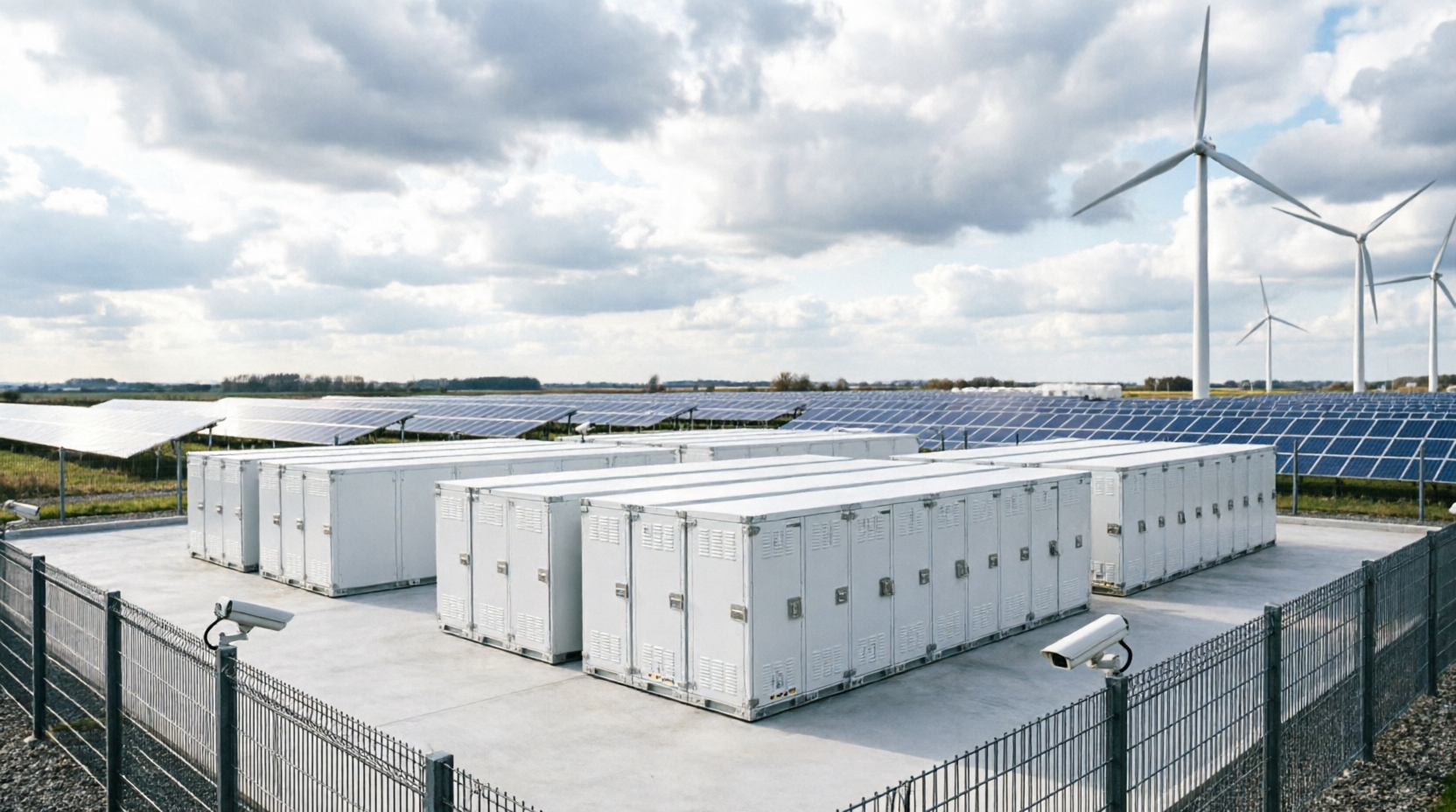 Here is the honest challenge with solar and wind – the sun does not always shine, and the wind does not always blow. That is where energy storage comes in, and it is probably the most critical piece of the whole puzzle.
Grid-scale storage facilities, sometimes called “energy banks,” hold extra power generated during low-demand hours. Then they release it during peak times or emergencies. This prevents blackouts and keeps prices from jumping around.
The tech behind these systems is moving fast. Lithium-ion batteries still lead the pack, but sodium-ion and solid-state batteries are gaining ground. Solid-state batteries in particular could be a game-changer because they last longer and hold more charge per unit of weight.
What a lot of people do not realize is that better storage does not just help big utilities. It helps you as a homeowner too. When the grid has better storage, price spikes flatten out. That means a more predictable monthly bill for City Power and Gas customers and everyone else on the grid.
We are still figuring out how quickly these new battery types will move from lab to mass production. Some experts say three to five years for solid-state. Others say a decade. The truth is probably somewhere in the middle.
How Are Hydrogen and Hybrid Systems Filling the Gaps?
One trend that caught our eye is the pairing of hydrogen fuel cells with battery storage. On their own, batteries handle short-term backup well. But for longer outages or heavy industrial use, hydrogen picks up where batteries fall short.
The idea is simple. When solar and wind produce excess power, that surplus runs electrolyzers that split water into hydrogen. The hydrogen gets stored and later converted back to electricity through fuel cells when demand spikes.
This hybrid approach gives grid operators a two-layered safety net. Batteries cover the quick fluctuations. Hydrogen handles the longer gaps. Together, they make renewable grids far more reliable than critics used to claim.
Several countries in Europe and parts of Asia are already running pilot programs with this setup. We expect hydrogen-battery hybrid systems to show up in more grid plans over the next few years, especially in areas prone to extreme weather events.
What Green Financing Options Are Driving New Projects?
Building solar farms and wind installations costs real money upfront. The panels and turbines pay for themselves over time, but someone needs to fund that initial investment. That is where green financing is stepping in.
- Green Bonds: These have become a popular tool for raising capital. These bonds are specifically tied to clean energy projects – wind farms, solar arrays, grid upgrades – and they attract investors who want both returns and positive climate impact. The green bond market has grown rapidly, reaching hundreds of billions in annual issuance.
- Power Purchase Agreements (PPAs): Long-term PPAs are another big driver. With a PPA, a company or government agrees to buy electricity at a set price for 10 to 25 years. That price stability makes it much easier for developers to secure funding and break ground on new projects.
For homeowners, the financing picture has improved too. Many states offer tax credits, rebates, and low-interest loans for rooftop solar. And choosing a clean energy plan from City Power and Gas does not require any upfront investment at all – you just pick the plan that fits your budget.
What Do Regional Trends Look Like Across the Globe?
The renewable energy shift is global, but it does not look the same everywhere. Here is a quick snapshot.
- North America: The U.S. continues to expand solar and wind capacity, though recent federal policy shifts around offshore wind leasing have created some uncertainty. Canada is investing heavily in hydropower and wind, with several provinces running on near-100% renewable grids already.
- Europe: The EU has set aggressive clean energy targets. Countries like Germany, Denmark, and Spain lead in wind and solar, with strong policy support and grid integration programs. The European energy crisis of 2022 actually sped up the shift to renewables.
- Asia: China is on track to meet its renewable energy targets and leads the world in solar panel production. India is pushing hard on solar, with courts enforcing renewable purchase obligations on utilities. Southeast Asia is cooperating on cross-border power integration projects.
- Australia: Renewable electricity generation rose to 43% of Australia’s grid mix in 2023. Solar and wind growth there has been strong, backed by favorable geography and supportive state-level policies.
- Local and Community Level: Cities, Indigenous communities, and regional governments worldwide are building microgrids and community energy schemes. These local setups boost energy resilience and give communities direct control over their power supply.
What Are the Biggest Barriers to Renewable Energy Adoption?
Let’s be real – the shift to clean energy is not all smooth sailing. A few big hurdles keep slowing things down.
- High Upfront Costs: Still scare off some investors. Even though solar and wind are cheaper over their lifetime, the initial capital for large projects is steep.
- Grid Congestion: Is a real bottle-neck. In many regions, the existing power grid was not built for distributed renewable generation. Upgrading it takes time, money, and political will.
- Permitting and Regulation: Can drag on for years. In the U.S., the recent rollback of some environmental regulations and the pause on offshore wind leases have added layers of doubt for developers.
- Public Awareness Gaps: Remain. Some communities still hold outdated views about the cost and reliability of clean energy. Better education and outreach would go a long way.
At City Power and Gas – Electric Company, we try to address that last barrier directly. Making the switch to a green energy plan is straightforward. You do not need to install anything, buy equipment, or change your daily routine. You just pick a plan, and we handle the rest.
How Will AI and Smart Grids Shape the Clean Energy Future?
Artificial intelligence is not just for chatbots and search engines. It is quietly making a big impact in the energy sector too.
AI systems can predict when solar and wind output will dip based on weather data, then automatically adjust grid operations to compensate. That means fewer surprises, fewer outages, and more efficient use of every kilowatt generated.
Smart grid technology pairs with AI to create a more responsive power network. Sensors across the grid feed real-time data to control systems, which balance supply and demand on the fly.
This is not a far-off dream. Utilities in parts of Europe and North America are already using AI-driven grid management. And as more renewable sources connect to the grid, the need for smart, automated balancing only grows.
Cybersecurity is part of this conversation too. More digital control means more potential attack surfaces. Governments and energy companies are now investing in cybersecurity alongside smart grid rollouts to keep the system safe.
What Does the 2030 Global Clean Energy Target Mean for You?
At the 2023 United Nations Climate Change Conference (COP 28) in Dubai, world leaders committed to tripling global renewable power capacity by 2030. That target means going from current levels to around 11,000 GW of installed renewable capacity.
The honest outlook? Current trends put us closer to 8,000 GW by 2030. That is still massive growth, but it falls short of the target. Closing the gap requires faster permitting, more storage deployment, and bigger investments from both public and private sectors.
As of late 2023, 151 countries had set net-zero emissions targets covering 88% of global greenhouse gas output. The momentum is real, even if the pace needs to pick up.
For City Power and Gas customers in New York and Pennsylvania, this global push means more renewable supply feeding into the grid, more competitive pricing on green plans, and a growing ecosystem of clean energy options.
Why Is 2026 a Turning Point for Renewable Energy?
Several forces are coming together right now that make 2026 feel like a hinge year. Battery costs continue to fall. Solar and wind are cheaper than ever. AI-driven grid management is going mainstream.
At the same time, new policy frameworks are taking shape, and public demand for clean energy keeps climbing. The combination of falling costs, better tech, and strong demand creates a cycle where each factor speeds up the others.
If you have been waiting for the “right time” to switch to a green energy plan, the economics suggest that time has arrived. Whether you are a homeowner in New York City or a business owner in Pennsylvania, City Power and Gas offers plans that match your priorities – from 100% renewable to blended options that balance cost and sustainability.
We also back our plans with rewards that go beyond energy savings. Monthly reward dollars, annual cashback, and the knowledge that your usage is matched with clean power through RECs.
Frequently Asked Questions
What is renewable energy and why does it matter?
Renewable energy comes from sources like the sun, wind, and water that refill naturally. It matters because it cuts the carbon emissions driving climate change and reduces our need for coal, oil, and gas that are running low and polluting the air.
How much cheaper is solar energy compared to fossil fuels?
As of 2024, solar power is 41% cheaper than the lowest-cost fossil fuel options. Wind power is 53% cheaper. Both have seen dramatic price drops over the last decade due to better tech and larger-scale production.
What role does energy storage play in the clean energy transition?
Energy storage holds extra power generated during peak production and releases it when demand is high. This smooths out the gaps when the sun is not shining or the wind is not blowing, keeping the grid stable and prices steady.
Can I switch to renewable energy without installing solar panels?
Yes. Providers like City Power and Gas offer green energy plans backed by Renewable Energy Certificates. You keep your same utility connection, but your usage is matched with clean energy from solar, wind, or hydro sources.
What are green bonds and how do they fund clean energy?
Green bonds are investment tools tied to environmental projects. Investors buy them to fund wind farms, solar arrays, and grid upgrades while earning returns. They have become one of the fastest-growing segments of the bond market.
How is AI being used in the energy sector?
AI predicts drops in solar and wind output using weather data, then adjusts grid operations in real time. It also helps optimize energy storage, reduce waste, and improve the efficiency of power distribution.
What is the global target for renewable energy by 2030?
World leaders agreed at COP 28 to triple global renewable power capacity by 2030, targeting about 11,000 GW. Current trends suggest we may reach around 8,000 GW, which is still major progress but below the goal.
Is wind energy reliable enough to power the grid year-round?
Modern wind farms, especially offshore ones, produce power consistently because winds at sea are stronger and steadier. Paired with energy storage and smart grid tech, wind can reliably supply a large share of grid power throughout the year.
What barriers are slowing down renewable energy growth?
High upfront costs, grid congestion, slow permitting processes, and policy shifts around federal regulations are the main barriers. Public awareness gaps about the true cost and reliability of clean energy also slow adoption.
How does City Power and Gas support renewable energy?
City Power and Gas offers energy plans in New York and Pennsylvania that include 100% renewable and blended options. Plans are backed by Renewable Energy Certificates, and customers get monthly rewards and annual cashback while supporting clean energy.