If you live in Pennsylvania and you’ve been thinking about cleaner methods of powering your home, you are not alone in this thinking. This debate is gaining momentum in homes across Pennsylvania and across America, from Philadelphia to Pittsburgh and points in between and beyond.
Sure, Pennsylvania has long been synonymous with more traditional energy production, in particular natural gas, but there’s a budding interest in how renewable or “green” energy options may fit into everyday life without sacrificing reliability or driving up costs unnecessarily.
In this article, we will walk through what green energy actually means in the Pennsylvania context, explore options available to homeowners, look at how it affects costs and reliability, and examine some of the real data about where the state currently stands and where it’s heading.
What Do We Mean by “Green Energy”?
When we refer to green energy, we usually refer to renewable energy, namely electric power harnessed from sources that are non-greenhouse gas emitting during operation and naturally replenished. Such sources include, but are not limited to, the following in Pennsylvania:
- Solar power: The power obtained from the sun’s sunlight
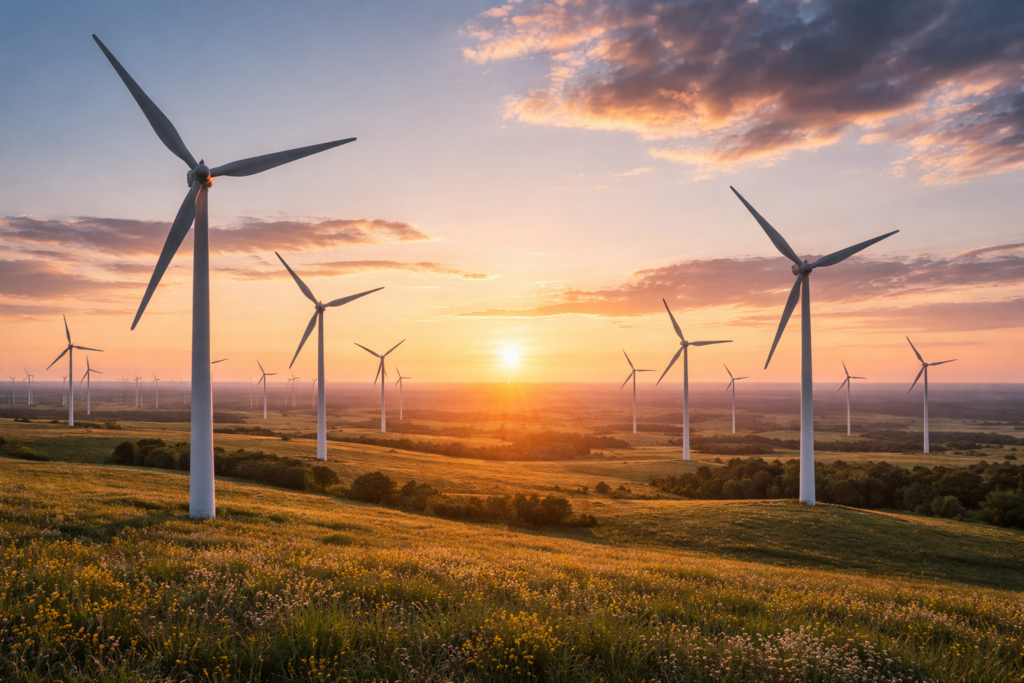
- Wind energy: This energy is produced from the usage of wind turbines.
- Hydropower: This includes power generated from the action of moving
- Biomass: renewable energy that comes from organic materials
Such sources are distinct from coal/oil and gas resources because they are not sources of fuel that are being consumed through the process of combustion to yield gas, carbon dioxide, and pollutants. Using more green sources aligns with the overall idea of making the energy sector less harmful to the environment and more sustainable.
Yet, renewables in Pennsylvania are a bit more nuanced in reality, as we’ll see.
Current Positioning of Pennsylvania in Renewable Resources
Pennsylvania has always been an energy state, particularly regarding natural gas. However, regarding the use of renewables, the situation is slowly changing.
According to federal statistics, only 3% of Pennsylvania’s electric power is produced by renewable resources like wind, sun, or hydropower resources. Pennsylvania is ranked close to the bottom-ranked states in the country when it comes to generating electric power on a green scale with a population and industry base like Pennsylvania in the United States, ranking 45th among the states in the country.
Part of this is history: The original goals for renewable energy produced by Pennsylvania were not very ambitious, and this goal was quickly reached, which has impacted further progress made toward renewable energy sources. Indeed, utility-scale solar is but a fraction of this overall supply mix, and there has also been little development in terms of wind power.
Nevertheless, some signs of expansion have been observed, especially in solar capacity, which has more than doubled in a given year and generates enough electricity for about 200,000 homes.
This information provides a background that serves as a reference in understanding the relevance of green energy alternatives to the lives of homeowners in the state of Pennsylvania.
Why Green Energy Options are important to PA residents
You might ask: if renewables are such a minuscule fraction of the total power generation, then why care about it at all? Well, that’s a fine question, and there’s more than one layer to it.
1. Environmental Effects
Even slight additions in renewable energy sources will work towards decreasing emissions. Although traditional fuel sources such as natural gas and coal are more prominent now, clean sources will lead to a reduced carbon footprint in the future.
2. Energy Choice
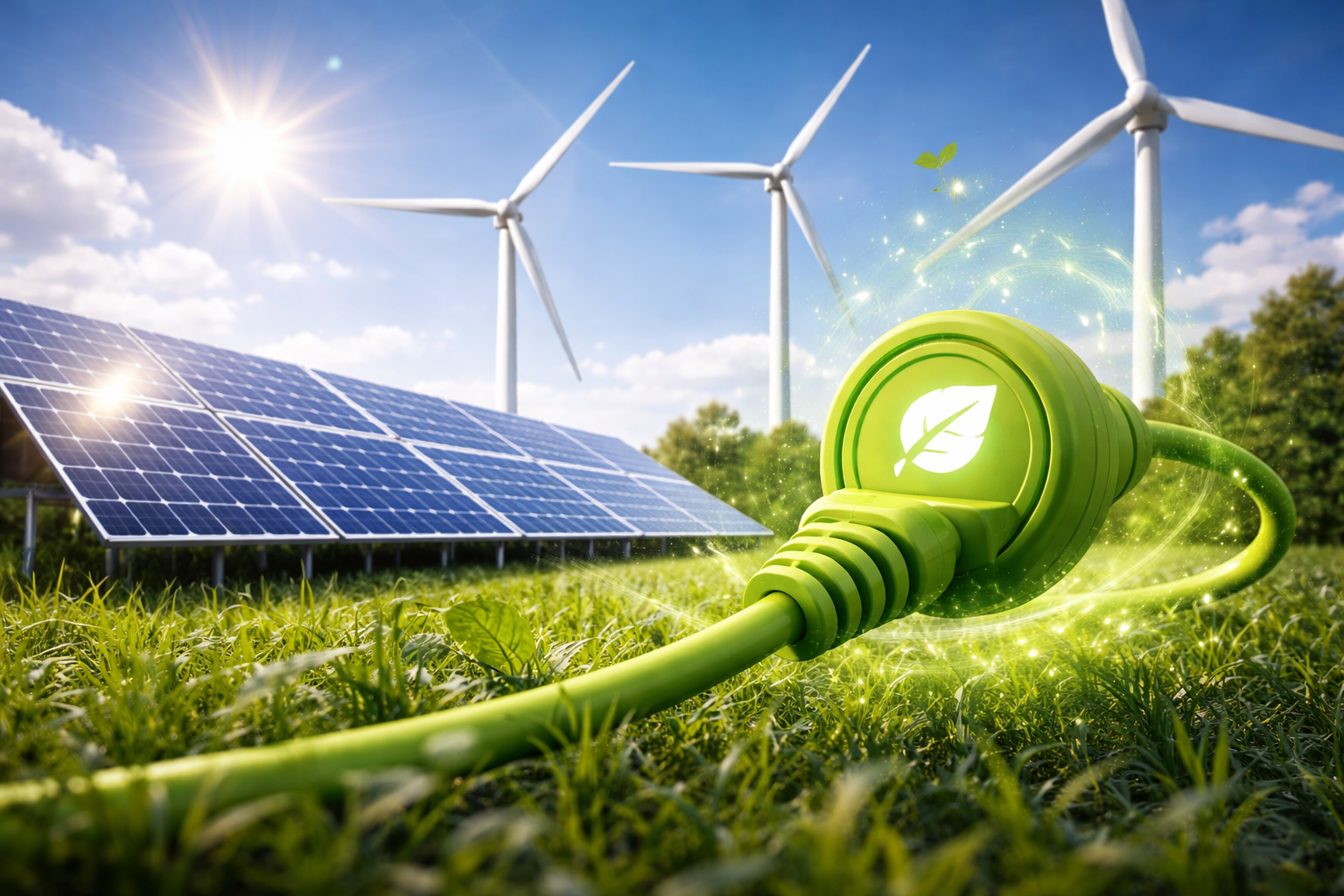 Pennsylvania operates a deregulated marketplace for electricity where consumers have choices; you are not tied to a fixed power company as a utility generator. With the right renewable energy supply plan or community solar subscription, consumers get to determine how much of their energy is sourced from renewable sources.
3. Long-Term Cost Stability
Fuel is not required in solar and wind energy. This makes their cost and pricing trends relatively consistent, despite any short-term variability in their costs. Renewables have shown improvements in their competitiveness in comparison to conventional sources of power.
Typical Green Energy Alternatives Accessible for Pennsylvania Residents
Following are the most feasible ways Pennsylvania families can incorporate green power into their lives:
Solar Rooftop
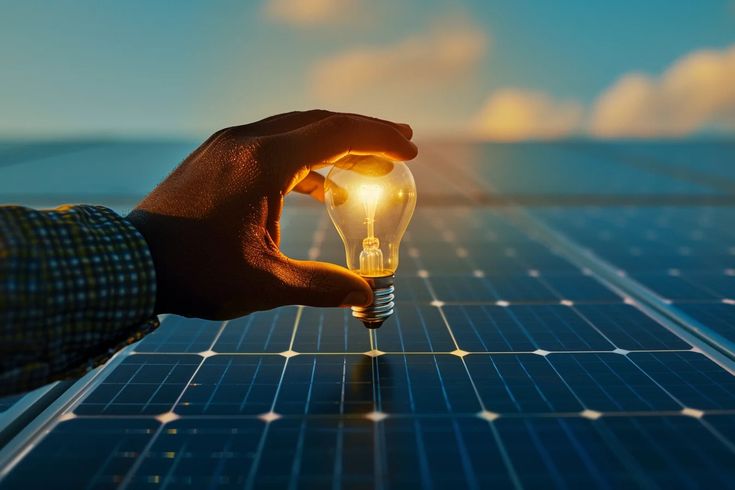
Solar cell installation on rooftops gives the opportunity to every citizen to generate their own electricity in their houses. This is also a good alternative, as it enables customers to generate their own electricity in their houses in addition to reducing their energy bills. Governments also offer incentives that reduce the costs associated with solar cell installation.
Good to know:
Not all homes are suitable for solar power installation. Roof direction, shade, and installation costs are some such considerations.
Community Solar Power
If solar panel systems are not something you are interested in using in your home, community solar is an excellent alternative solution for you. Here is what you should know about community solar.
A large solar panel system is constructed in your area, and people are able to subscribe to this system in order for them to receive credits on their electricity bills in turn.
Community solar is particularly helpful if you:
- Own an existing
- Rent out your house
- Must have a shaded roof
- Interested in Renewable Energy but Do Not Wish to Invest in the Hardware Yourself
Green Electricity Supply Plans
There are areas in Pennsylvania that allow you to choose electricity supply contracts with your energy provider to get electricity from renewable sources for a set percentage or 100% of your electricity needs. The process does not affect the flow of electricity into your home; it means your consumption will be balanced by renewable sources.
Cost Considerations: What to Expect
A cost concern is one of the most frequently raised issues. Let’s analyze this:
Cost of Solar Installations
Installing solar power systems can cost a lot upfront. However, tax credits and state assistance can reduce costs. Over the years, most residential property owners consider solar power systems as paying for themselves since they reduce power consumption costs and enhance property value.
Market Pricing Dynamics
Renewables do not rely on volatile markets of fuel, and thus, pricing becomes easier in the longer run, unlike energy sources that are connected to the price of oil and gas. In the past decade, solar and wind energy sources have also lowered their costs of production with increasing economy of scale.
Return on Investment
ROI may differ based on region and cost of installation, but many consumers can anticipate the ROI of solar energy paying for itself within years, as opposed to decades, particularly in regions with very high energy costs.
Reliability & Grid Stability
One myth is that green energy is not dependable. The truth is that Pennsylvania has a diverse power mix and is well positioned to incorporate more energy storage solutions and traditional power sources.
Wind energy or solar energy is encouraged by:
- Grid management systems
- Grid management
- Backup generation capacity
- Battery Storage Solutions
This makes the network more resilient to disruptions. This further reduces the possibilities of failures in the network.
The Bigger Picture: Pennsylvania’s Renewable Pathway
While Pennsylvania’s record on renewable sources may be low among many other states, this is not a static situation. Over the past years, solar production in Pennsylvania has grown by leaps and bounds and can now provide enough non-hazardous electricity to power 200,000 homes annually,” it was announced yesterday.
There are also newer developments in the private and public sectors regarding the use of renewable energy sources, such as wind, solar, and hydroelectric energy. Technology and upcoming policy developments may drive such developments.
Nonetheless, despite the level of progress that has been attained, the fact is that Pennsylvania is one of the states that is still trailing in relation to the percentage use of utility-scale renewable energies. Such energies entail more usage and thus demand more involvement from the consumer within the green schemes.
Balancing Goals: Challenges & Opportunities
Despite the growing use of renewable energy, there are several associated issues with it:
Policy inertia: The policy path of other states is somewhat different in terms of policy goals and effectiveness in meeting those objectives. There are certain issues in Pennsylvania policy which are worth mentioning
Infrastructure: Infrastructure is a necessity that needs to be upgraded in order to create considerable wind and solar capacity.
Market Dynamics: Renewable energy resources suffer from the fact that they have to compete with established conventional energy resources.
Yet, despite the above challenges, progressive homeowners, clean energy innovators, and communities are pushing forward in their quest to introduce more environmentally friendly sources into their lives, whether it is solar panels, solar subscriptions, or clean energy service agreements.
What Green Energy Means for Pennsylvania Homeowners
To rely on alternative energy sources to power your whole house or a part of it doesn’t imply that you are ditching the concept of reliability or complicating your life. On the contrary, it could mean:
- More control over where your residential energy supplies come from
- Lower environmental impact
- More predictable energy expenses in the future
- Support for cleaner grid development
Green energy doesn’t have to be a complete lifestyle change but rather a useful option that satisfies both value and energy requirements.
Frequently Asked Questions
1. How much does Pennsylvania rely on renewable energy?
Pennsylvania ranks low in producing renewable sources of energy and only gives a mere 3% contribution to the total production levels in their own energy resources, thus making this state one of the low producers in the USA.
2. Is solar power on the increase in Pennsylvania?
Yes, it has, as the state’s solar energy production capability has increased by over 100% in recent years, enough to power 200,000 homes, although it lags many surrounding regions.
3. Pennsylvania homeowners are able to install solar on their homes.
Exactly! The homeowners who own suitable roofs can even install solar panels in their homes and produce electricity by themselves.
4. What is a solar array?
Community solar projects enable multiple community members to subscribe to a single community solar array, the generation of which provides credits that can offset the electricity bills of the people subscribing.
5. Does green energy cost more compared to conventional energy?
The cost prices vary depending on the source; however, over time, the costs of renewable energy sources relative to other sources keep declining.
Final Thoughts
Green energy in Pennsylvania may not yet be prominent in the power sector, but given the alternatives that have been made available, it is definitely a feasible alternative that is within reach and accessible to every homeowner. This applies whether it is done through solar power, solar plans, or green plans.
By understanding the landscape, including where the state is now and where it’s going, one can make more informed energy choices that are good for the environment and now possibly regulatory stability as well.
The state of Pennsylvania finds itself at a point in the road where it witnesses a sprout in its renewable energy market, with a viable alternative in powering homes through renewable energy having dawned in this manner.