

TL;DR
Natural gas is almost always cheaper per unit of energy than electricity, and it heats your home, water, and food faster. But electric homes can come out ahead if you add solar panels or live somewhere with low utility rates. The right answer depends on where you live, how you use energy, and what City Power & Gas plans are available in your area.
If you have ever stood in the kitchen wondering whether switching from gas to electric – or the other way around – would save you money, you are not alone. This is one of the most common questions homeowners ask, and the answer is more nuanced than most people expect.
Let’s be upfront about something: there is no single correct answer that works for every household. The cost gap between natural gas and electric depends on where you live, your utility provider, the size of your home, and even the time of year. But what you can do is understand the main cost drivers so you can make a smart choice for your situation.
City Power & Gas helps customers across New York and Pennsylvania and beyond find the right energy plans for their needs. So let’s break this down in a way that actually makes sense.
Why Energy Source Matters for Your Monthly Bill
Your energy bill does not just reflect how much power you use – it reflects the price of the fuel behind that power. Natural gas and electricity are priced very differently, and that gap has a big impact on what you pay each month.
In the U.S., natural gas costs roughly $1.00 to $1.50 per therm on average, while electricity runs about $0.12 to $0.16 per kilowatt-hour (kWh). Now, those units are not directly comparable, so here is the thing you need to understand: natural gas delivers more usable energy per dollar than electricity does in most cases.
For heating your home, gas furnaces typically cost two to three times less to run than electric resistance heaters. For water heating, the story is similar. Gas water heaters cost less to operate per year compared to standard electric models. That said, heat pumps are changing this equation fast, and we will get to that.
Natural Gas Costs: What You Are Really Paying
Natural gas is priced by volume – specifically by the therm or cubic foot. Prices vary by region and season, but gas tends to be more stable than electricity during mild weather months. During winter, though, high demand can spike prices if you are on a variable-rate plan.
The appliances that typically use natural gas in a home include the furnace, water heater, stove or range, and sometimes a dryer. When you add up the annual cost to run all of these, the average gas-heated home in the U.S. spends around $600 to $900 per year just on heating fuel.
City Power & Gas offers natural gas plans in New York and Pennsylvania that can help you lock in a stable rate and avoid the seasonal price jumps that catch a lot of homeowners off guard. If you are already a gas customer, checking whether your current rate is competitive is worth a few minutes of your time.
Electric Costs: When Electricity Gets Expensive
Electricity is priced per kWh, and the national average hovers around $0.13 to $0.16 per kWh depending on your state and provider. But in some areas – particularly the Northeast – rates can climb to $0.20 or higher during peak demand periods.
If your home uses electric resistance heating (baseboard heaters or an older furnace), heating costs can get steep fast. A home that costs $800 per year to heat with gas could cost $1,500 to $2,000 with electric resistance heating in a cold climate. That is a real gap.
However, the picture changes with modern electric heat pumps. Heat pumps are two to three times more efficient than electric resistance systems because they move heat rather than generate it. A well-sized heat pump in a mild to moderate climate can actually come close to matching gas costs – or even beat them in some cases.
Breaking Down the Monthly Numbers
 Let’s run a rough comparison for a typical 2,000 square foot home in a mid-Atlantic states like New York and Pennsylvania:
Gas heat + electric for everything else:
Monthly bills average $150 to $220 during winter months, lower in summer.
All-electric with resistance heat:
Monthly bills can hit $250 to $350+ in the coldest months.
All-electric with heat pump:
Monthly bills typically run $180 to $250 in winter, often lower than gas in spring and fall.
These are rough numbers, and your actual costs will vary. But the pattern is clear: gas heating is usually cheaper for older homes with existing gas infrastructure, while high-efficiency heat pumps are closing the gap for newer or well-insulated homes.
If you are unsure what plan fits your home, the team at City Power & Gas can walk you through options on both the gas and electric side.
Cooking and Water Heating: Gas Wins on Speed, Electric Wins on Safety
Beyond heating, cooking is one area where the gas-vs-electric debate gets personal fast. Gas stoves heat pans instantly and give you precise flame control, which is why most professional chefs prefer them. Electric stoves – especially induction models – are catching up quickly in performance, and induction in particular is more energy-efficient than gas burners.
For water heating, gas water heaters cost less to run per year in most parts of the country. But electric heat pump water heaters (also called hybrid water heaters) are significantly more efficient than standard electric models, and they can rival gas on operating cost. The upfront cost is higher, though.
So if you are replacing appliances, do not just look at the sticker price. Calculate the operating cost over 10 years. That is where you see the real difference.
Natural Gas vs Electric for Home Heating: Climate Matters
Here is something that often gets glossed over: climate plays a huge role in this comparison. In very cold climates – think Minnesota, upstate New York, or western Pennsylvania – gas heating typically wins on cost because it delivers a lot of heat very efficiently even when outdoor temps drop below zero.
Heat pumps, by contrast, lose efficiency as temperatures fall. Older heat pump models struggled below 30 degrees Fahrenheit. Newer cold-climate heat pumps handle temps down to -13 F, but they still use more electricity in extreme cold than in moderate cold.
In mild climates – the Southeast, the Pacific Coast – electric heat pumps often beat gas on both cost and comfort. The math just works differently in a place where you rarely need to heat your home past November or before March.
What About Solar? Can Electric Beat Gas with Solar Panels?
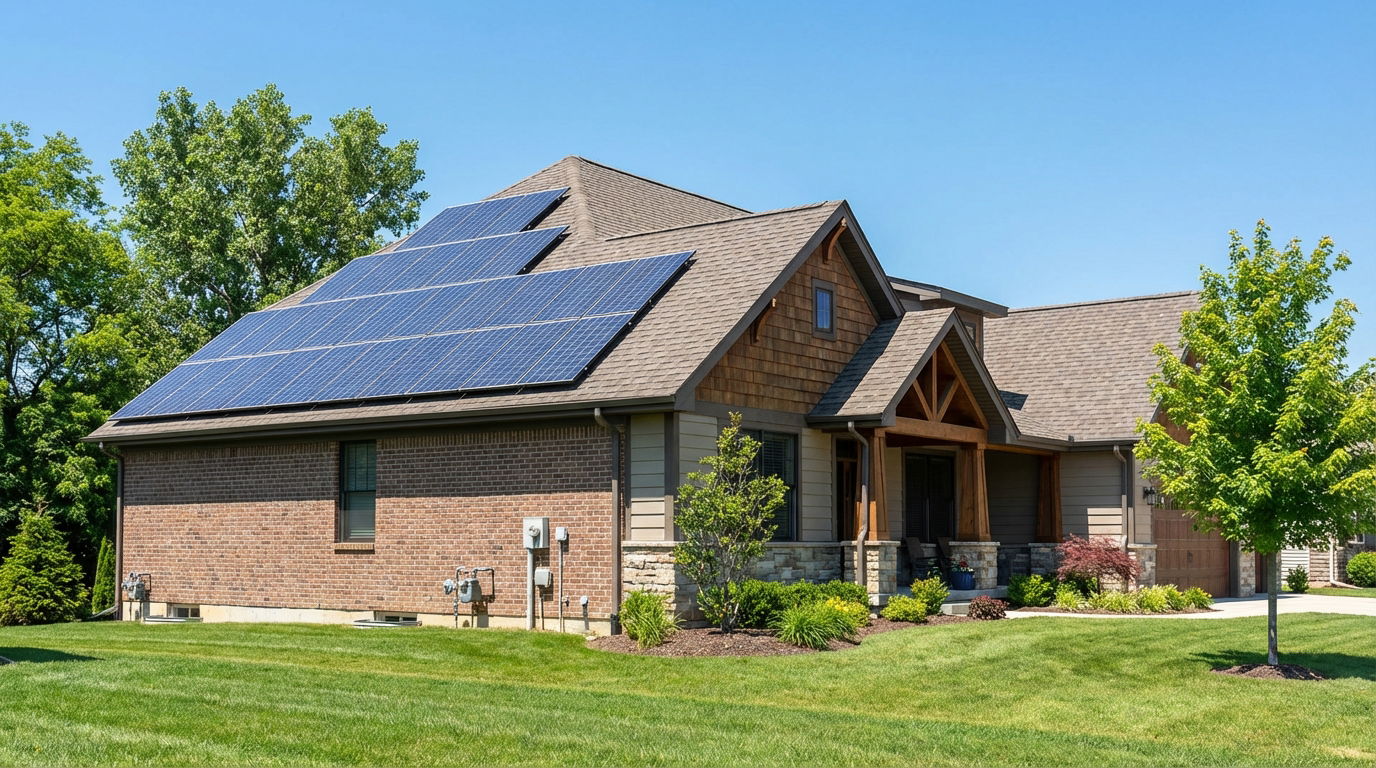
This is where things get interesting. If you have solar panels on your roof, your effective electricity cost drops dramatically. In some cases, you can bring your per-kWh cost down to near zero for a portion of your usage, depending on your system size and local net metering rules.
If you are buying solar and planning to switch to all-electric appliances – heat pump, electric water heater, induction stove – the math can flip entirely. An all-electric home with solar can have lower energy costs than a gas home with no solar.
That said, solar requires a significant upfront investment ($15,000 to $25,000 before incentives for most homes), and the payback period is typically 7 to 12 years. It is a long-term play, not a quick fix.
City Power & Gas can help New York and Pennsylvania customers understand how their current energy costs stack up and whether a plan change might save money even without a solar installation.
Hidden Costs on Both Sides
The raw cost per unit of energy is only part of the picture. Here are a few things people often forget to account for:
Fixed monthly fees:
Gas utilities typically charge a base fee of $10 to $25 per month just to maintain the connection, even if you use very little gas. Electric customers also pay fixed fees, but gas homes pay both if they use electricity for lights and appliances.
Appliance efficiency:
An old gas furnace running at 70% efficiency costs more to run than a new one at 95% efficiency. Same with electric systems. Age and condition matter as much as fuel type.
Installation costs:
If your home does not already have gas lines, adding them is expensive – often $1,000 to $3,000 or more depending on distance from the street. Switching to all-electric avoids this but may require electrical panel upgrades.
Maintenance:
Gas appliances generally require more regular maintenance (annual furnace tune-ups, checking for leaks). Electric systems tend to have lower maintenance costs over time.
Which Is Better for the Environment?
This is not a pure cost question, but a lot of homeowners factor it in. Electric appliances powered by renewable energy – wind or solar – produce little to no greenhouse gas emissions during operation. Natural gas does produce carbon dioxide and methane when burned, though less than oil or coal.
That said, if your electric grid is still heavily coal-powered, an electric home may not be as clean as you think. The environmental case for electric depends a lot on where your power comes from.
New York and Pennsylvania’s grid is a mix of nuclear, natural gas, coal, and renewables. Over time, as more renewables come online, the environmental advantage of electric homes should grow. City Power & Gas offers options for customers who want to support cleaner energy, and that is worth exploring if it matters to you.
Is Now a Good Time to Lock In a Gas or Electric Rate?
 Energy prices fluctuate based on supply, demand, weather events, and broader market conditions. If you are on a variable-rate plan – gas or electric – your bill can swing significantly from month to month. Fixed-rate plans protect you from those swings, though they sometimes cost slightly more during low-demand periods.
For New York and Pennsylvania residents, City Power & Gas offers both gas and electric supply options with competitive rates. If you have not shopped your energy supply in a while, there is a real chance you are paying more than you need to.
You can visit citypowerandgas.com or pa.citypowerandgas.com to compare current rates and see what plan might work for your home.
Frequently Asked Questions
1. Is natural gas cheaper than electricity for heating?
In most U.S. regions, yes. Natural gas delivers more heat energy per dollar than electric resistance heating. The main exception is homes using modern heat pumps, which can close or eliminate that cost gap depending on climate.
2. What costs more to run – a gas stove or an electric stove?
A gas stove typically costs less to run per year than a traditional electric coil stove. However, electric induction stoves are more efficient than both and can cost about the same or less to operate annually, depending on your local electricity rate.
3. Is it cheaper to heat water with gas or electricity?
Standard gas water heaters cost less to operate per year than standard electric water heaters in most areas. But electric heat pump water heaters (hybrid models) are highly efficient and can match or beat gas operating costs.
4. How much can I save by switching from electric to gas heat?
In a cold climate with older electric resistance heating, switching to gas can save $500 to $1,200 per year on heating costs. Savings vary based on home size, insulation quality, local fuel prices, and your usage patterns.
5. What is the cheapest way to heat a home?
In most cold-to-moderate climates, a high-efficiency gas furnace or a modern electric heat pump offers the lowest heating costs. For very cold climates, gas usually wins. For mild climates, a heat pump often wins. Insulation quality matters just as much as fuel choice.
6. Does City Power & Gas offer natural gas and electric plans?
Yes. City Power & Gas offers both natural gas and electricity supply plans to customers in New York and Pennsylvania. You can compare plans at citypowerandgas.com or pa.citypowerandgas.com to find the best rate for your home.
7. Are electric homes better for the environment than gas homes?
Generally yes, especially if your local electric grid uses significant renewable energy. In areas where electricity still comes mostly from coal, the environmental benefit is smaller. As the grid gets cleaner over time, electric homes become a better environmental choice.
8. Should I switch to all-electric appliances if I add solar panels?
If you install a properly sized solar system and switch to electric heat pump systems, you can significantly reduce or offset your energy costs. Many homeowners find that pairing solar with electric appliances results in lower total energy costs over a 10-to-15-year period compared to staying on gas.
9. What is a fixed-rate energy plan, and should I get one?
A fixed-rate plan locks in your energy supply price for a set term, protecting you from price spikes. If your area is prone to volatile energy prices – especially in winter – a fixed-rate gas or electric plan from a supplier like City Power & Gas can give you more predictable monthly bills.
10. How do I find the cheapest energy plan in Pennsylvania?
Pennsylvania has a deregulated energy market, which means you can shop for your gas or electric supply separately from your utility delivery service. Visiting pa.citypowerandgas.com lets you compare available supply rates and choose a plan that fits your usage and budget.
Key Takeaways
Natural gas is usually cheaper per unit of energy than electricity, making it the lower-cost option for heating in most cold-climate homes.
Electric heat pumps are closing the gap and can match or beat gas costs in mild climates or well-insulated newer homes.
Your local rates matter most. The national averages are a starting point, but what your utility charges is what actually shows up on your bill.
Hidden costs add up. Gas line fees, appliance efficiency, and installation costs change the real comparison beyond just price per therm or kWh.
Solar can flip the math. An all-electric home with solar panels can beat a gas home on total annual energy cost over a long enough time horizon.
City Power & Gas offers both options. Whether you use natural gas or electricity, visiting citypowerandgas.com or pa.citypowerandgas.com lets you compare plans and potentially lower your bill without changing appliances.
The bottom line: if you heat with gas and your home is already set up for it, you are probably paying less than if you used electric resistance heat. But the energy landscape is shifting fast, and it is worth doing the math for your specific situation rather than assuming one answer fits all. City Power & Gas is here to help New York and Pennsylvania customers navigate both sides of this equation.