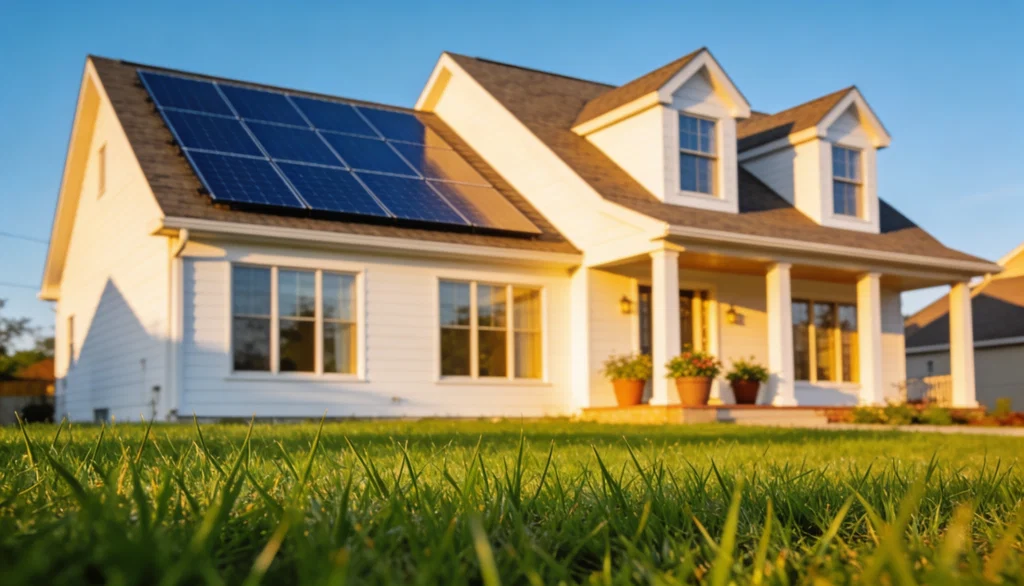
Renewable energy helps homeowners in Pennsylvania lower energy bills, gain energy control, raise property value, and reduce pollution at the same time. It also opens access to better energy plans through providers like City Power and Gas.
TL;DR
- Solar and other clean energy can cut electricity costs by a large margin
- Homes with solar often sell faster and at higher prices
- State and federal programs reduce upfront costs
- Cleaner energy improves air quality and lowers emissions
- City Power and Gas helps compare energy rates PA and find better plans
- Renewable energy supports long-term savings and energy stability
Why renewable energy is gaining ground in Pennsylvania
You’re seeing more homeowners in Pennsylvania look beyond traditional power sources. Electricity rates Pennsylvania keep changing, and that makes long-term planning hard. Renewable energy gives some level of control.
Solar panels, small wind systems, and even geothermal setups are no longer rare. They are becoming part of normal home upgrades. What’s driving this shift is simple. People want lower bills, stable energy rates, and cleaner energy.
From what you can tell, many homeowners first consider solar because it feels practical. But once they explore options, they start comparing energy rates PA across providers and realize there’s more flexibility than they expected.
City Power and Gas often comes into the picture here. It helps homeowners compare electricity providers, gas suppliers, and energy plans in one place. That makes decision-making easier.
Types of renewable energy for homeowners
 Solar energy
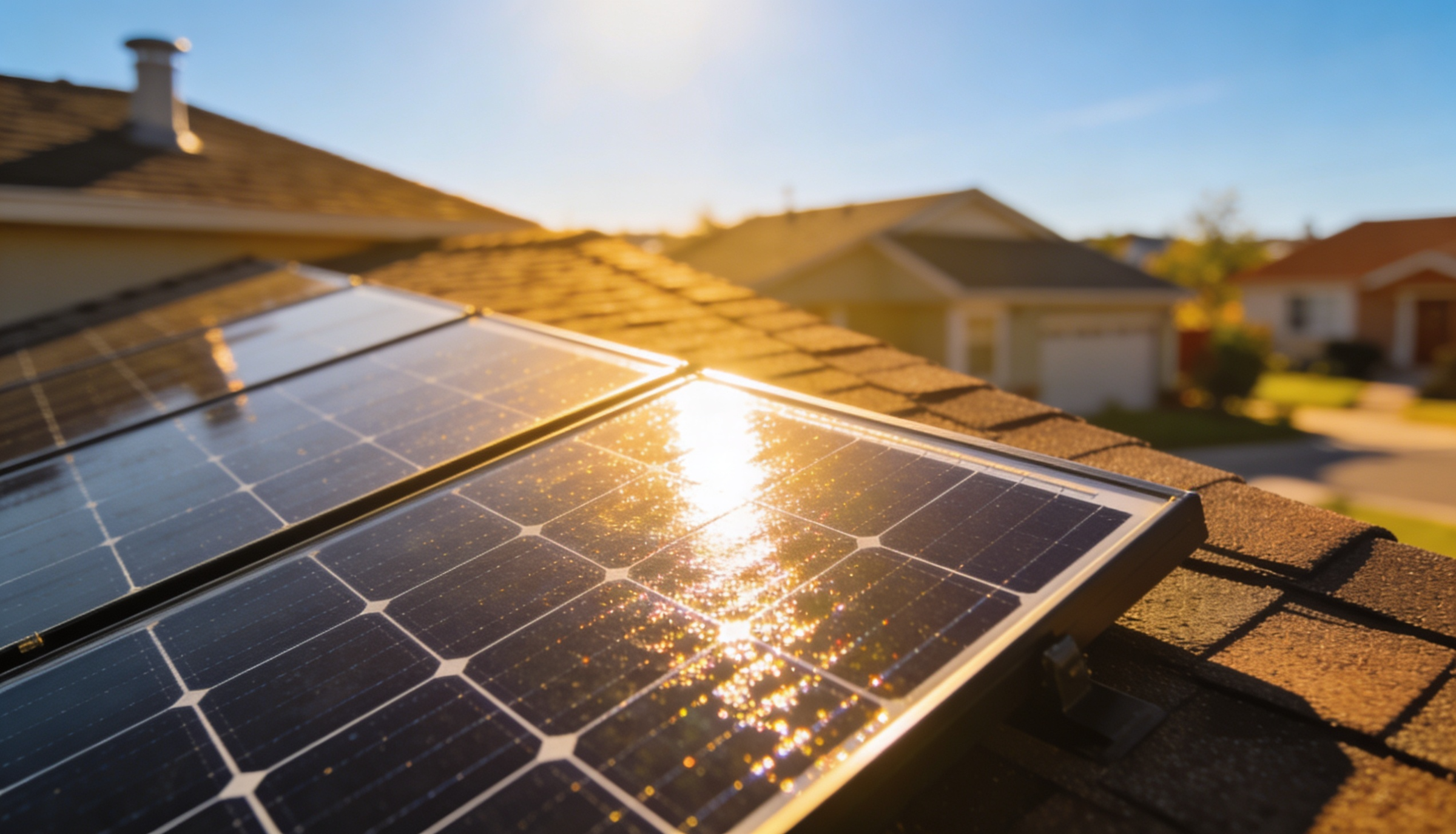
Solar is the most common option. Panels sit on your roof and turn sunlight into power.
It sounds simple, but the impact is strong. Some homeowners report major drops in electricity bills after installation. In some cases, bills shrink close to zero during sunny months.
You might think solar only works in very sunny places. But Pennsylvania gets enough sunlight for solar to be effective year-round.
Wind energy
Wind systems are less common for homes, but they still work in the right setting.
If you live in a rural area or have open land, a small wind turbine can help power your home. It’s often used alongside solar.
Biomass energy
This uses organic materials like wood or waste to create energy.
It’s not as clean as solar, but it still reduces reliance on fossil fuels. Some homeowners use it for heating.
Geothermal energy
This system uses heat from the ground to manage indoor temperature.
It works quietly and needs less maintenance than many people expect. The upfront cost can feel high, but long-term savings often balance it out.
Hydropower
This is rare for individual homes. It works best near flowing water sources.
Still, it plays a role in the overall green energy Pennsylvania mix.
Economic benefits that go beyond monthly savings
 Lower electricity bills
This is usually the first reason people switch.
Solar panels can reduce or nearly eliminate electricity bills. That’s a big deal, especially when electricity rates keep rising.
You lock in your own energy production. That protects you from sudden price spikes.
Stable energy prices
Energy prices shift often. If you rely only on a traditional electric company Pennsylvania, your costs can change month to month.
Renewable energy gives more predictability. You produce part or all of your energy, so your dependence on external pricing drops.
Increased home value
Homes with solar tend to attract more buyers.
Buyers like the idea of lower bills. It’s one of those upgrades that pays off both while you live there and when you sell.
From what you can see, many buyers now actively search for homes with green energy Pennsylvania features.
Job growth and local economy
Renewable energy creates jobs. Installers, technicians, and maintenance teams all benefit.
That growth supports local communities. It also helps strengthen the energy sector overall.
Community benefits you might not think about
When more homes use renewable energy, the impact spreads beyond individual savings.
- Local tax revenue increases
- Infrastructure improves
- Community projects get more funding
Also, landowners who lease land for energy projects earn steady income.
It’s not just about saving money at home. It’s about improving the local economy too.
Incentives and financial support
At first glance, renewable energy systems can feel expensive. That’s a common concern.
But Pennsylvania offers several programs that reduce upfront costs.
Federal tax credits
Homeowners can claim a percentage of installation costs as a tax credit.
This alone can reduce the total investment by a significant amount.
State programs
There are rebates and local incentives that make solar more affordable.
Net metering
If your system produces extra energy, you can send it back to the grid and earn credits.
That means your system keeps working for you even when you’re not using all the energy.
Financing options
Programs like energy loans help spread the cost over time.
City Power and Gas helps homeowners understand these options while comparing energy supplier plans.
Environmental benefits that actually matter
Better air quality
Traditional power sources release pollutants.
Renewable energy reduces harmful emissions. That leads to cleaner air.
Lower greenhouse gas emissions
Solar and wind energy produce power without carbon emissions.
That helps reduce climate impact.
Protection of natural ecosystems
Fossil fuel extraction can harm land and wildlife.
Renewable systems have a smaller footprint.
Long-term sustainability
Renewable sources don’t run out. Sunlight and wind are always available.
That makes them a reliable part of future energy planning.
Challenges homeowners should consider
Let’s be honest, switching to renewable energy isn’t always simple.
Policy confusion
Programs and incentives can feel complex.
You might not be sure what you qualify for.
Infrastructure limits
Some areas need upgrades to support large-scale renewable use.
Market competition
Renewable systems still compete with traditional energy providers.
That can affect pricing and availability.
Installation requirements
Not every home is ideal for solar or wind systems.
Roof condition, space, and local rules all matter.
Maintenance
Systems need regular checks to stay efficient.
It’s not constant work, but it’s something to keep in mind.
Real-world results from homeowners
Many homeowners have already made the switch and seen results.
- Lower monthly bills
- Faster return on investment
- Increased home resale value
Some systems pay for themselves in a few years. After that, the savings continue.
Community solar programs also help people who can’t install panels on their homes.
How City Power and Gas fits into your energy plan
You might be thinking, “Do I need to fully switch to renewable energy?”
Not necessarily.
City Power and Gas helps homeowners:
- Compare electricity providers
- Find better energy rates
- Choose flexible energy plans
- Access green energy Pennsylvania options
You can combine renewable energy with a reliable electric and gas company Pennsylvania plan.
That mix gives both control and stability.
Choosing the right energy setup
There’s no single solution for everyone.
Some homeowners go fully solar. Others combine solar with traditional energy suppliers.
You might want to:
- Compare energy rates PA
- Review electricity rates
- Check natural gas providers
- Explore green energy plans
City Power and Gas simplifies this process. It helps you find the best balance between cost and sustainability.
FAQs
1. What is the best renewable energy option in Pennsylvania?
Solar energy is the most practical choice for most homeowners.
2. How much can I save with solar panels?
Savings vary, but many homeowners see major drops in electricity bills.
3. Are there incentives for renewable energy in PA?
Yes, federal tax credits and state programs reduce costs.
4. Can I still use a gas company with solar energy?
Yes, many homes combine solar with natural gas providers.
5. How do I compare energy rates in Pennsylvania?
You can use platforms like City Power and Gas to compare energy rates PA.
6. Does renewable energy increase home value?
Yes, homes with solar often sell at higher prices.
7. What is net metering?
It allows you to earn credits for excess energy sent to the grid.
8. Are renewable systems hard to maintain?
They need basic maintenance, but not constant attention.
9. Can I switch energy providers anytime?
Yes, many electricity providers offer flexible plans.
10. Is renewable energy reliable year-round?
Yes, especially when combined with a stable energy supplier.
Key Takeaways
- Renewable energy lowers bills and boosts home value
- Solar is the most accessible option for most homes
- Incentives reduce upfront costs
- Combining renewable energy with a trusted energy provider works well
- City Power and Gas helps compare electricity providers and gas suppliers
- Clean energy supports long-term savings and environmental health